
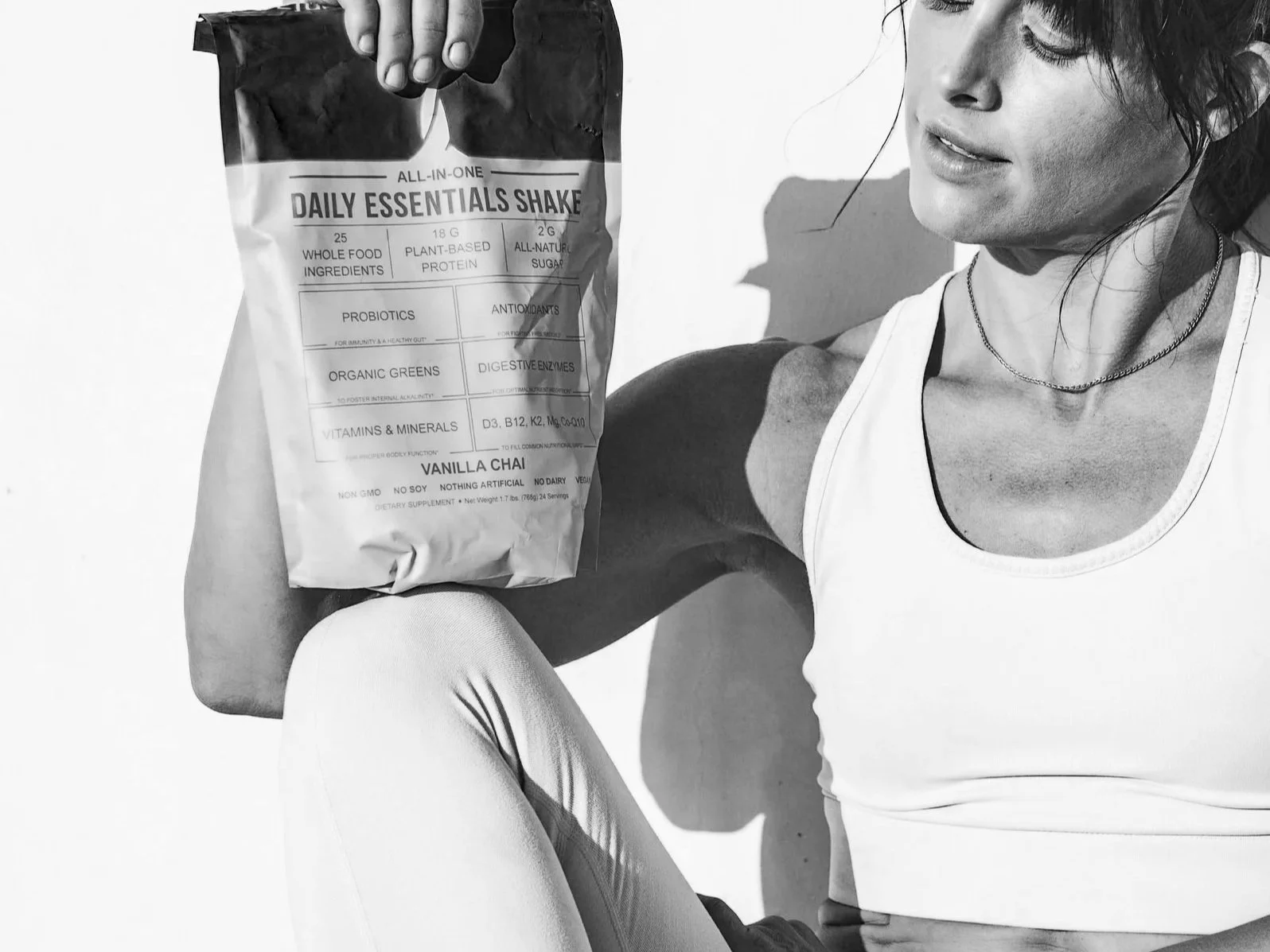
Food First: When a Supplement Makes Sense
Supplements are a huge industry and many products promise more energy or balanced hormones. For most healthy women eating a varied diet, food provides almost everything they need. There are, however, some situations where a supplement makes a real difference.
Ultra-Processed Foods: What They Are and Should You Worry?
Ultra-processed foods are rarely out of the headlines, and some of the coverage is alarming. The research raises real questions about how our food is made, but it is also more mixed than many headlines suggest. Here is what we know and what we do not.

Hydration: How Much Water Do You Need?
Advice about drinking water ranges from eight glasses a day to carrying a large bottle everywhere. Staying hydrated is important, but the amount you need is more flexible than most people think, and many drinks and foods count towards it.

Vitamins and Minerals: What They Do
Vitamins and minerals are nutrients your body needs in small amounts to work properly. A varied diet provides most of them. Some, however, are commonly low in women, because of periods, pregnancy, plant-based diets or limited time in the sun. Knowing which ones to look out for helps you get them from food first.

Fats: Which Types to Eat and Why
For decades, fat was treated as something to avoid, and supermarkets filled with low-fat products. We now know that the type of fat you eat has much more effect on your health than the total amount. Some fats are essential and others are best kept to a minimum.

Protein: How Much Women Need and Where to Find It
Protein has become one of the most talked-about nutrients, with protein bars and powders on every shelf. Most women can meet their needs from ordinary food, but how much you need and when you eat it are worth understanding, especially as you get older.

Carbohydrates: Why Your Body Needs Them
Carbohydrates are often blamed for weight gain and low energy. As a result, many women cut them out without needing to. Carbohydrates are your body's main source of energy, and choosing the right types makes far more difference than avoiding them.

Building a Balanced Plate
Healthy eating advice can feel complicated, with long lists of foods to eat and foods to avoid. The plate model makes it simpler. Instead of counting or weighing anything, you look at your plate and check that the main food groups are there in roughly the right amounts.