

GLP-1 Medications: What Women Should Know
Medications such as Ozempic and Mounjaro have changed the treatment of type 2 diabetes and obesity. They are effective and for many women they bring real health benefits. They also raise practical questions, including what happens when you stop, which are worth knowing about before you start.
Weight Changes in Midlife
Many women notice their body changing in their forties and fifties, even when their eating and exercise habits have stayed the same. Weight seems to settle around the middle, and what worked before does not seem to work as well. These changes are real, and understanding them helps you respond effectively.

Muscle and Strength Training for Women
For a long time, women were steered towards cardio and light weights, often with the warning that lifting heavy would make them bulky. The evidence now points the other way. Muscle is one of the most protective things a woman can build, and strength training is one of the best ways to look after your health at every age.

Insulin Resistance: What It Means and What Helps
Insulin resistance is one of the most common health problems you may never have heard of. It often develops quietly for years before blood sugar rises high enough to cause type 2 diabetes. The good news is that it responds very well to changes in daily habits, especially when caught early.
Body Composition: Why Your Weight Isn't the Whole Story
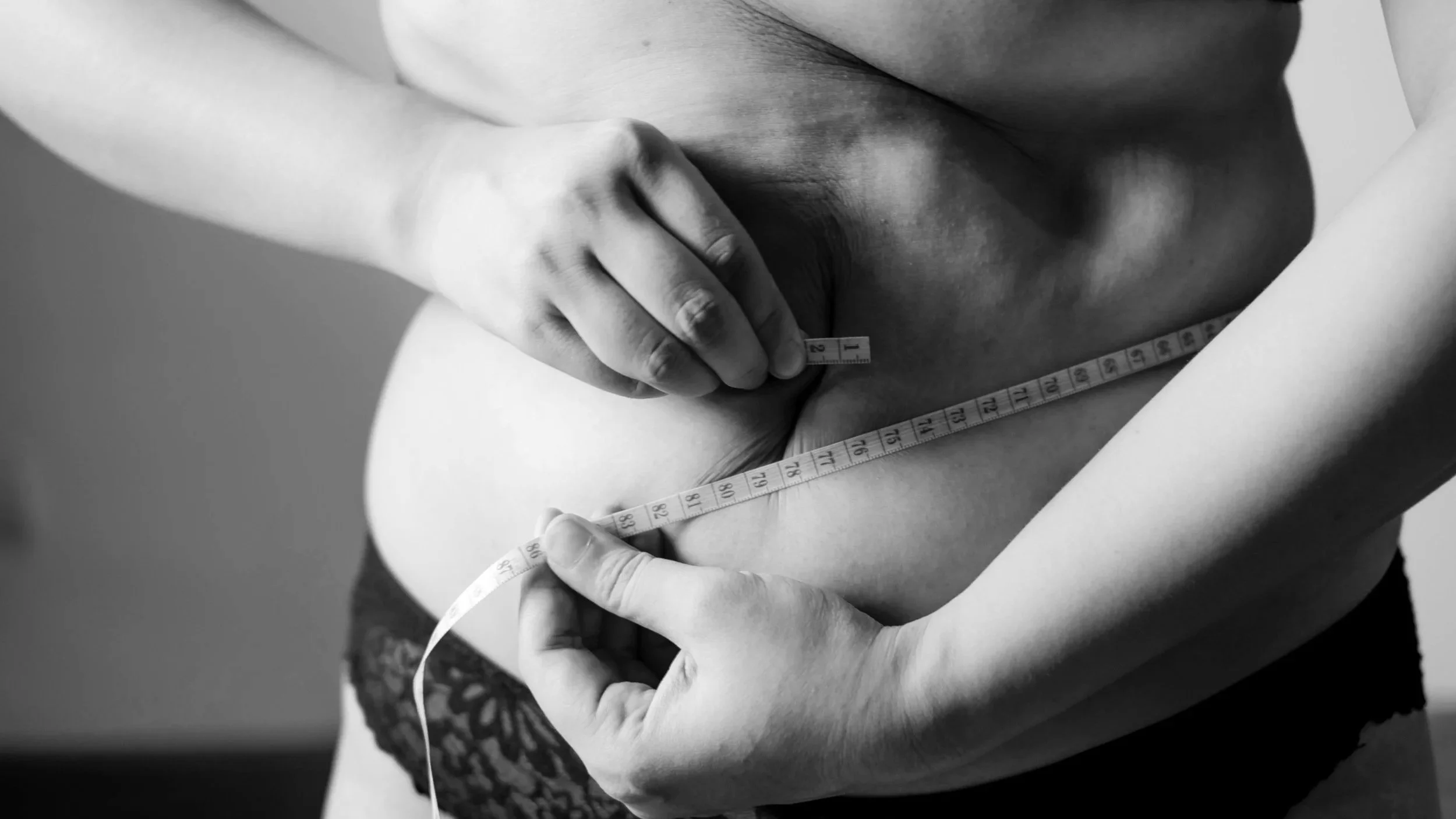
The number on the scale is the measure most women know best, yet it tells you surprisingly little. Two women can weigh exactly the same and have very different health risks, depending on how much of their weight is muscle and how much is fat. This is what body composition describes.

Metabolism Explained: What It Is and What Changes It
Metabolism gets blamed for a lot, from weight gain in your forties to feeling tired after lunch. The word is used everywhere, often to sell products that promise to speed it up. Understanding what it actually means makes it much easier to tell useful advice from marketing.